
Games of the "monte"
Abstract
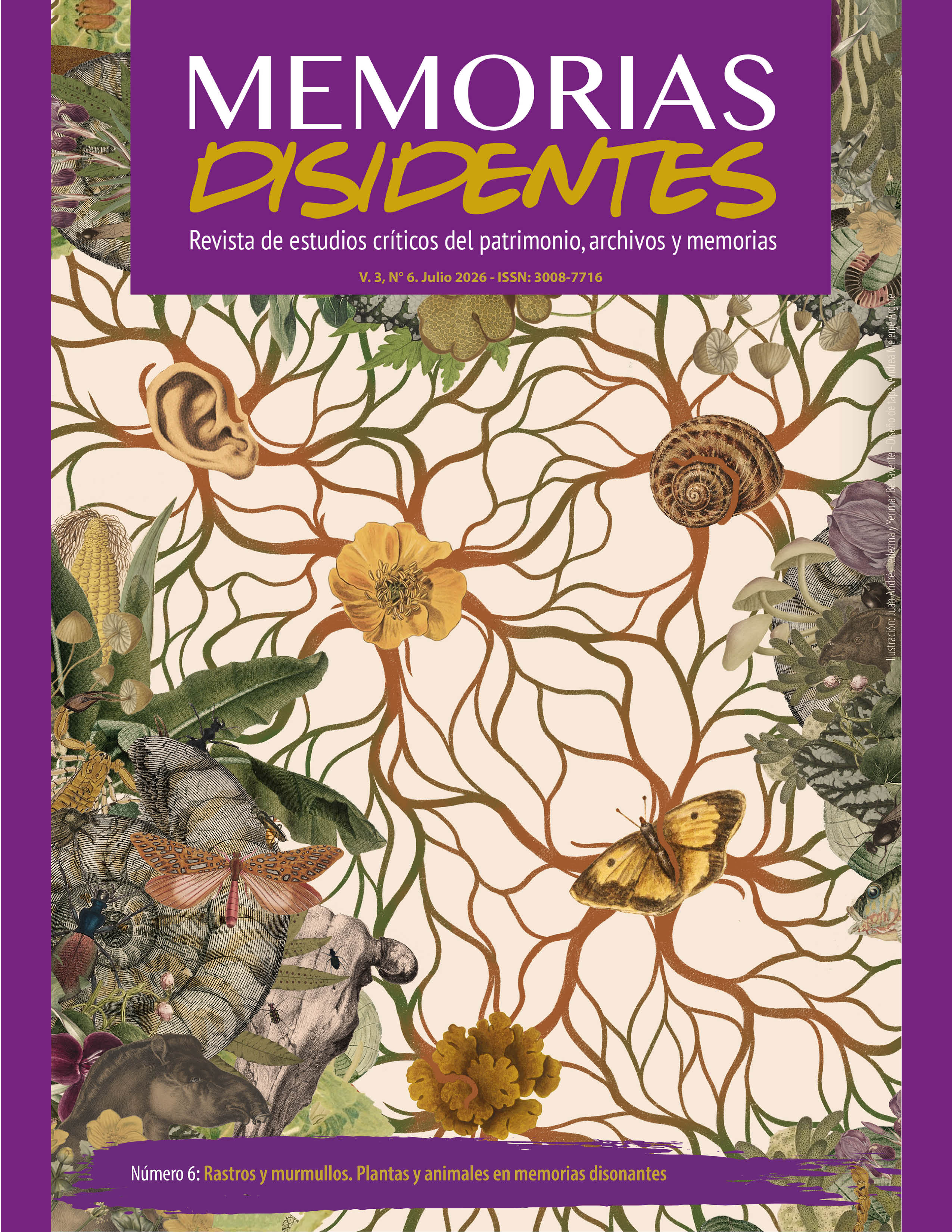
This text explores the profound relationship between childhood and nature in La Llanada, Nariño, Colombia. It defines the "monte"—the wild, untamed landscape—as a living force that grows independently of human intervention. Based on the premise that play is a form of knowing, the narrative describes how a lack of toys was compensated for by playfully reimagining the surroundings: "mangicapa" flowers stood in for fried eggs, while tender ears of corn were transformed into dolls with silky hair. The work introduces the concept of "acausato"—a physical decline caused by homesickness—suggesting that the bond with the "monte" serves as a vital antidote. Finally, it highlights nature’s persistence within cultivated lands; the wild landscape always returns, becoming an integral part of identity and collective memory.
Downloads
Published
How to Cite
Issue
Section
License
Copyright (c) 2026 Yojhan Daniel Acosta Rosero

This work is licensed under a Creative Commons Attribution-NonCommercial-ShareAlike 4.0 International License.

-
The authors retain the rights of autxr and assign to the journal the right to first publication of the work, registered under the Creative Commons attribution license, which allows third parties to use what is published as long as they mention the authorship of the work and the first publication in this journal.
-
Authors may make other independent and additional contractual agreements for the non-exclusive distribution of the version of the article published in this journal (for example, including it in an institutional repository) as long as they clearly indicate that the work was first published in this journal.
-
The authors grant any third party the right to share and use the article (for non-commercial purposes), provided that the original authors and the citation of the version published in this journal are identified.